Make Do for saving money
Save money on groceries by cooking what you already have
Coupons and own-brand swaps help. Not throwing away food you have already paid for helps more.
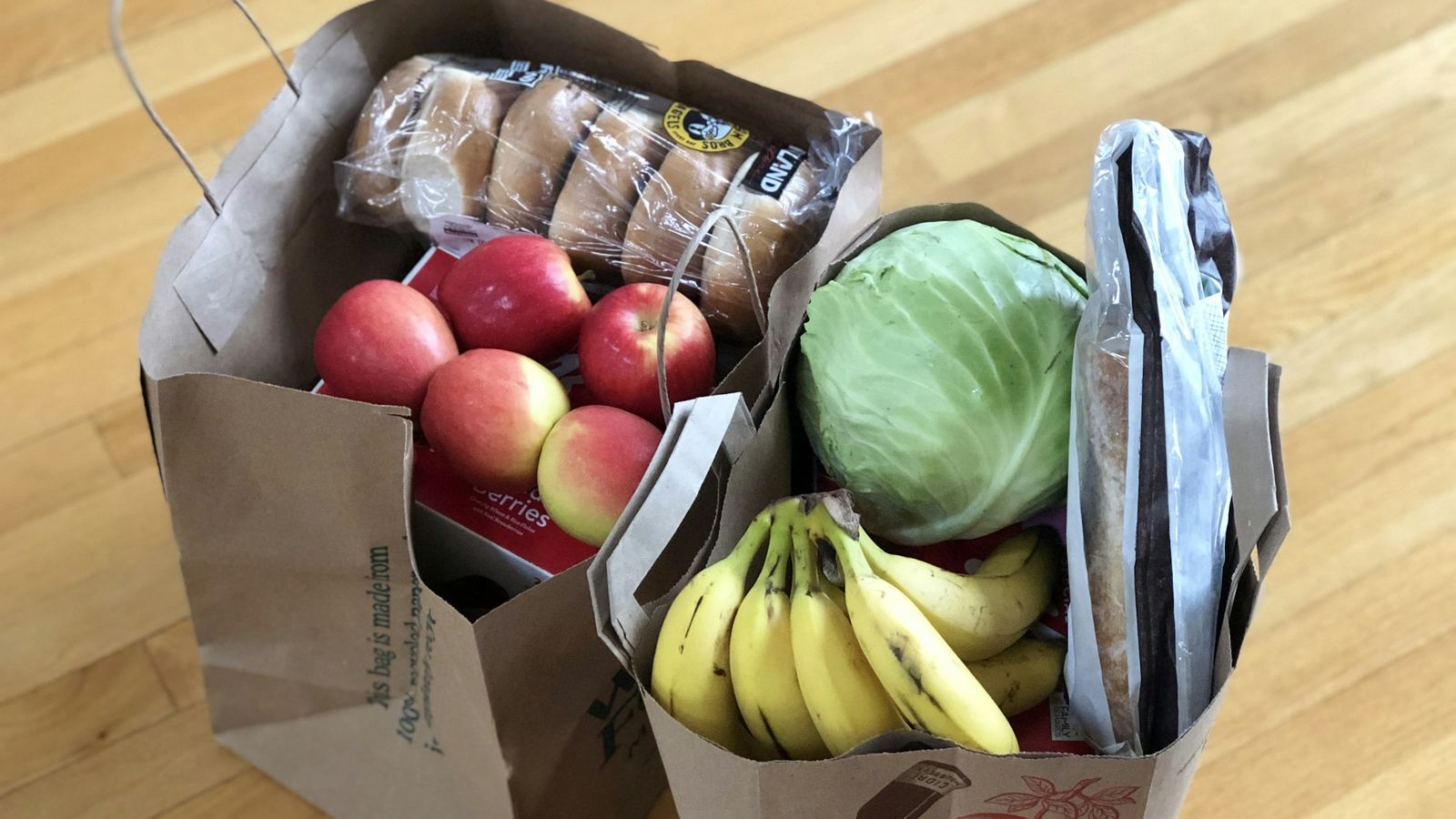
Most advice on cutting the grocery bill is about the shop: cheaper brands, loyalty cards, bulk buys. It helps. But the biggest saving in most kitchens is not at the checkout. It is in the fridge, in the food you have already paid for that is about to go in the bin.
The money is already in your fridge
Food waste is the grocery cost nobody sees on a receipt. The USDA puts the loss for an average US family of four at about $1,500 a year. WRAP estimates a UK family of four throws away around £1,000 of food a year, and that halving it would save roughly £500 a year, about £10 a week.
That is a bigger saving than most people get from switching supermarkets, and it needs no coupons. It comes from one change: cook what you have before you buy more.
Why it is hard in practice
If it were easy, nobody would waste anything. The problem is timing. At 6pm, tired, standing at a fridge full of things that do not obviously go together, the easy options are to buy something fresh or order a takeaway. Both leave the food you already own to go off. And a takeaway on top of a full fridge means paying for dinner twice.
How Make Do cuts the bill
- It starts from what you have. Photograph your fridge and it suggests five dinners from what is already there, plus the staples you always keep. Recipes that need nothing extra come first.
- It cooks the right thing first. Each recipe names the ingredient it uses up. Food that will turn soonest is prioritised, so the spinach with two days left gets used before the carrots that keep for weeks.
- It tells you what is worth buying. When one cheap item would unlock several more dinners, such as a lemon or a tin of coconut milk, it says which, so the shop you do make goes further.
- The shopping list checks the fridge first. Add a missing ingredient and it nets off what you already have, so you do not buy a second box of eggs.
- It keeps count. Mark a dish as cooked and it tracks the ingredients you saved from the bin.
Five habits that save the most
- Look before you shop. Photograph the fridge before writing the list.
- Plan two or three dinners around what needs using, not seven around what you fancy.
- Freeze on day one. Anything you will not eat before its date goes in the freezer the day you buy it.
- Cook once, eat twice. Soups, chillies, curries and traybakes cost the same effort for four portions as for two.
- Keep cheap staples in. Rice, pasta, eggs, tins of beans and tomatoes turn leftovers into meals, so a nearly empty fridge still makes dinner.
For more, read 12 habits that stop food waste and cheap dinners from what you already have.
What Make Do costs
It is free to start: three fridge scans, twelve recipe searches and ten saved recipes, with no card. For regular use, Pro is $7.99 a month or $59 a year. If it saves one bag of salad and one pack of chicken from the bin in a month, it has paid for itself. See pricing for the details.
Questions
How much can I save by wasting less food?
WRAP estimates a UK family of four could save around £500 a year by halving its food waste. In the US, the USDA puts the average family of four's food waste at about $1,500 a year.
How does Make Do save money?
It suggests dinners from what is already in your fridge, starting with whatever is closest to going to waste, so you buy less and bin less. When one cheap item would unlock several more meals, it says which.
Does Make Do cost anything?
Three fridge scans and twelve recipe searches are free, with no card. Pro is $7.99 a month or $59 a year.