Food waste
How to stop wasting food at home: 12 habits that work
Most food waste happens at home, and most of it is avoidable. Twelve habits that make the difference, none of which need a spreadsheet.
Nobody means to throw food away. It happens in small ways: a bag of salad bought with good intentions, half a pack of chicken forgotten at the back, bread that went stale before the loaf was finished. Added up over a year, it is a lot. The USDA estimates that 30 to 40 percent of the US food supply is wasted, and puts the loss for an average family of four at about $1,500 a year. In the UK, WRAP estimates around £1,000 a year for a family of four.
The good news is that most household waste comes from a few predictable habits, so a few better ones fix most of it. None of these need a spreadsheet.
Before you shop
1. Look in the fridge before you write the list
The most effective habit on this page. Two minutes looking at what is already there stops you buying a second jar of mayonnaise and reminds you of the chicken that needs cooking tomorrow. Take a photo of the fridge on your phone: it is the easiest shopping list there is.
2. Plan a few dinners, not a whole week
Detailed weekly meal plans fall apart by Wednesday. Plan two or three dinners around what needs using, and leave the other nights loose. Plans that allow for real life get followed.
3. Buy loose where you can
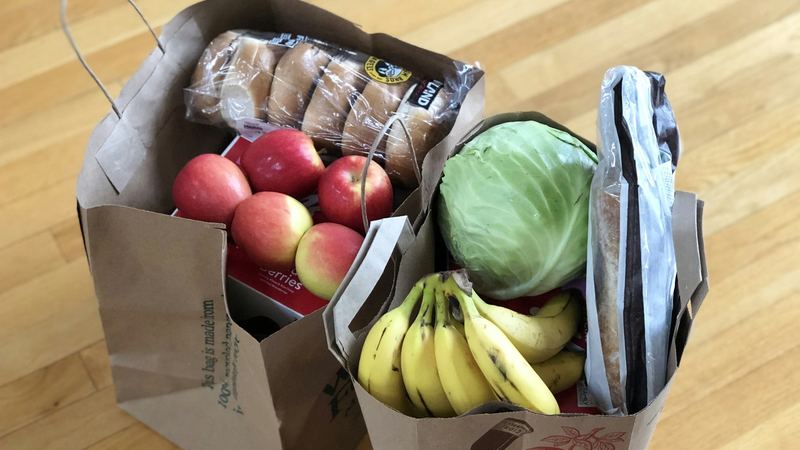
Multipacks and bags are cheaper per item only if you eat all of it. Loose carrots, onions, apples and potatoes let you buy exactly what you will use. This matters most if you are cooking for one.
When you get home
4. Keep the fridge cold
US guidance is 40°F (4°C) or below; UK guidance is 5°C or below. A fridge running warm takes days off everything in it. A cheap thermometer tells you where yours actually sits.
5. Put new food at the back
Shops rotate their stock so the oldest sells first. Do the same: new food goes behind what is already there, so the older things stay in sight.
6. Store each thing where it lasts
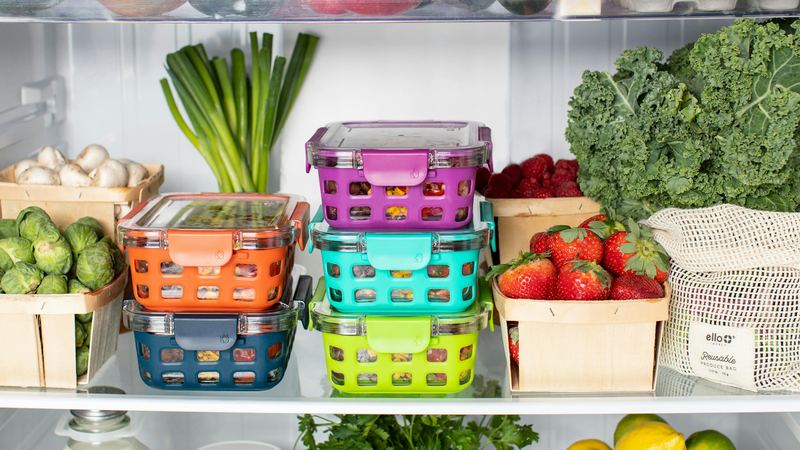
Raw meat and fish on the bottom shelf. Milk on a shelf, not in the door, where the temperature swings every time you open it. Leafy greens in the salad drawer with a paper towel to absorb moisture. Bread, whole onions, potatoes and unripe tomatoes out of the fridge entirely. Our fridge storage chart covers the details.
7. Freeze on the first day, not the last
If you will not eat something before its date, freeze it the day you buy it. Meat, bread, grated cheese, milk, cooked rice and most leftovers all freeze well. Food can be frozen right up to its use-by date, but it tastes better frozen fresh.
When you cook
8. Cook whatever will turn first
The single biggest change. Instead of asking what you fancy, ask what needs eating, and build dinner around that. Spinach with two days left beats cheddar that keeps for weeks. A "use first" spot at the front of one shelf makes it obvious what needs using.
9. Cook the right amount
Rice and pasta are the most over-cooked foods in the house. About 75g (a generous third of a cup) of uncooked rice and 100g of dried pasta is a typical adult portion. If you make extra, make it on purpose, for tomorrow's lunch.
10. Give leftovers a job
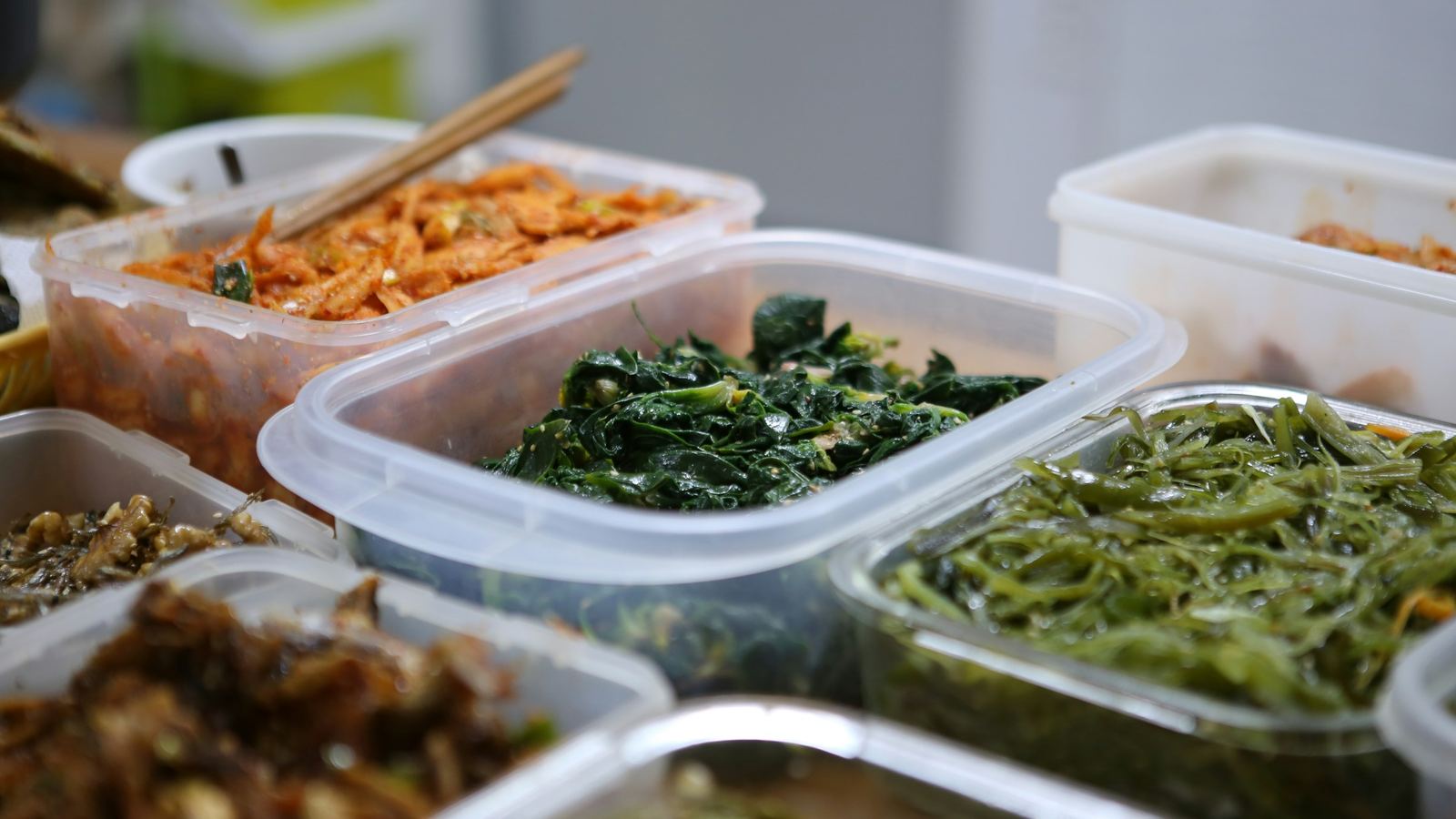
Leftovers get eaten when they are the start of another meal rather than a sad reheat. Roast chicken becomes fried rice, cooked vegetables go into a frittata, chilli goes over a baked potato. Ten dinners built for odds and ends has plenty more.
11. Use the whole thing
Broccoli stalks are sweet when peeled and sliced. Herb stems go into sauces and stock. Stale bread makes croutons, crumbs and bread pudding. Parmesan rinds flavour soup. Much of what gets thrown away is the good part.
Understand the dates
12. Know use-by from best-before
A use-by date is about safety: do not eat food after it, even if it seems fine. A best-before date is about quality: eggs, yogurt, crisps, tins and dry goods are usually fine after it if stored properly. In the US, most dates ("best if used by", "sell by") are about quality, not safety; infant formula is the main exception. Judge food past a quality date by how it looks and smells. Confusing the two labels is one of the biggest causes of perfectly good food going in the bin.
The one habit that matters most
If you only do one thing on this list, make it number 8: cook what will turn first. It is also the hardest to do at 6pm, when you are tired and the fridge is a jumble.
That is the moment Make Do is built for. Photograph your fridge and it lists what it sees, marks what needs using soon, and suggests five dinners that start with the food closest to going to waste. Each recipe names the ingredient it rescues. Scan again a few days later and it remembers how long everything has been there, so the chicken from Monday gets cooked before the chicken from Thursday.
Sources
- USDA: Food waste FAQs
- WRAP: Halving household food waste could put £10 back into every household, every week
- UK Food Standards Agency: Best before and use-by dates
Questions
What food is wasted most at home?
Fresh produce, bread and milk top the lists in both the US and the UK. Bagged salad and leafy greens are among the worst because they turn quickly and are often bought on impulse.
How much money does food waste cost a household?
The USDA puts it at about $1,500 a year for an average US family of four. In the UK, WRAP estimates around £1,000 a year for a family of four.
What is the easiest way to reduce food waste?
Look in the fridge before you shop and cook whatever is closest to turning first. That single habit prevents most waste.